
By: Javier Bermeo, founder of Wild Nexus.
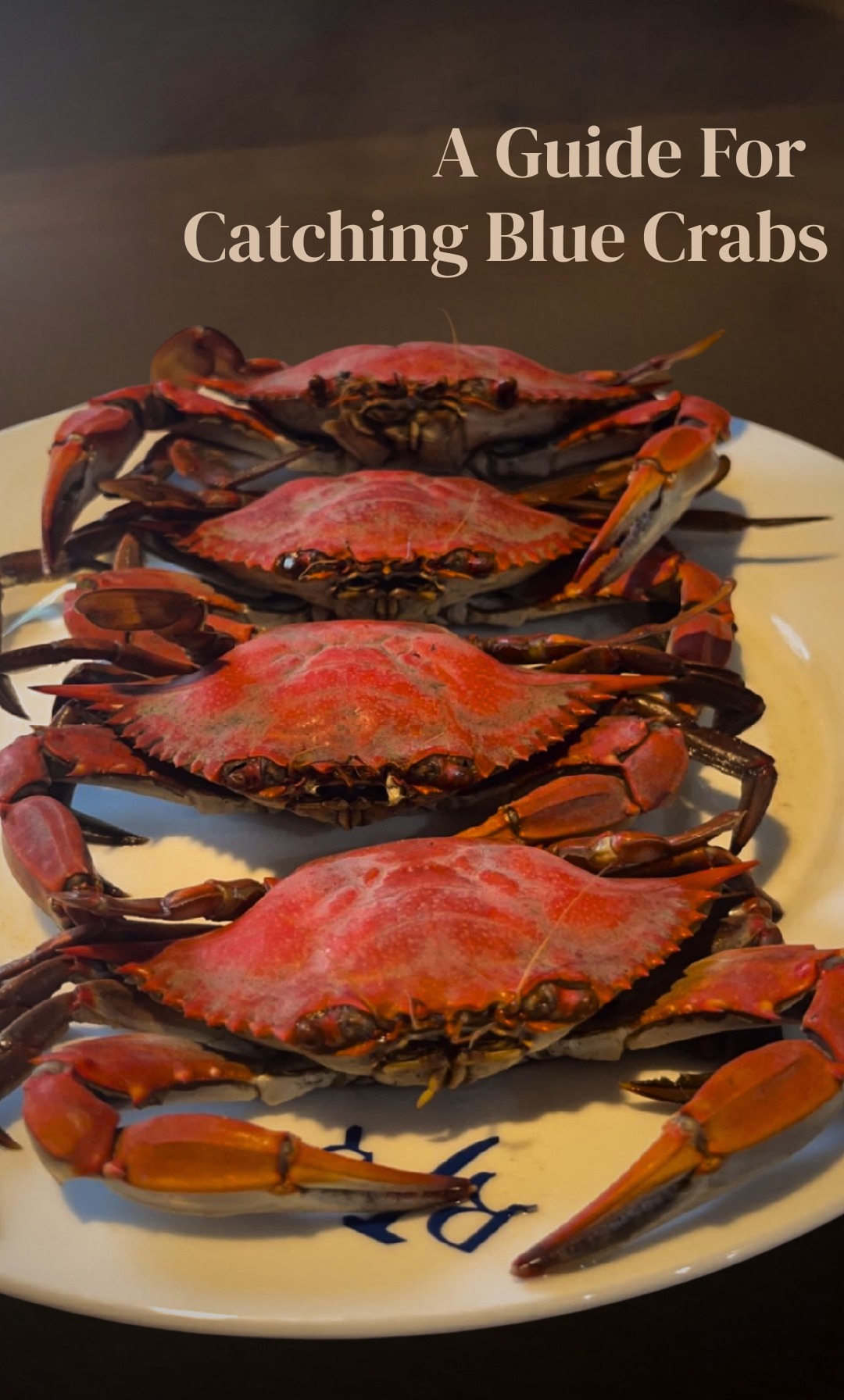
When people think of the eastern and Gulf coasts of the United States, the first thoughts are usually of big redfish in the Carolinas, giant snook down in Florida, and the striper run in the Northeast. Fishing is on everyone’s mind, but there lies a humble yet impressive catch that too often gets passed over, the blue crab.
These critters have an impressive range, stretching all the way from Massachusetts down to the Texas coast. Anyone fishing in their range has probably come across a few hungry blue crabs as bycatch; they will even attack baited hooks and lures. Their preference for shallow estuarine environments like bays, inlets, tidal creeks, and salt marshes makes them an accessible choice for all skill levels, especially beginners.
When and Where to Find Them
Blue crabs are most active in the warmer months, typically from late spring through early fall, when water temperatures hover between 70 and 85 degrees. In Florida and along the Gulf Coast, that window stretches almost year round, though the peak action hits during late summer as crabs move shallow to feed before molting. Early morning and evening tides are prime time, when they are moving and feeding along grass lines and oyster bars. A moving tide, incoming or outgoing, is always your best bet.

How to Catch Them
So how do you catch them? Honestly, it is not as hard as it sounds. The simplest way is with a hand line, some string, and a piece of bait. Chicken and turkey necks are the classic choice, but any tough, oily meat will do. Tie on your bait, drop it in the water, and wait for that telltale tug. When you feel resistance, ease the line up slow and steady, then scoop with a crab net to seal the deal.
If you want to up your numbers, crab traps are the way to go. A basic two door trap baited with fish scraps will keep them coming, and you can check back every few hours. Just be sure to know your local regulations. Most states have size limits and restrictions on keeping females with eggs. Some states also require you to register your traps, usually free, and label your floats if they are left out overnight.
My personal favorite is the simple crab pot. These do not truly trap the crabs until they are pulled out of the water, and they are one of the most inexpensive, beginner friendly options out there. Perfect for those who have access to a dock, a small boat, or are brave enough to wade out into the estuary.

Why Everyone Should Try It
One of the best things about crabbing is that it is family friendly. You do not need a big boat, expensive gear, or years of experience. A dock, a cooler, and some bait will have you in the game. Kids love it, adults get hooked, and everyone ends up a little saltier and happier for it.
And if you are lucky enough to pull in a mess of keepers, you are in for one of the finest meals the East Coast has to offer. From grilled to steamed, dipped in butter or piled into a crab boil, the blue crab proves that not every trophy has to hang on the wall. Sometimes it just has to taste damn good.
Stay tuned for our upcoming recipes featuring wild caught Florida blue crabs, straight from the coast to your grill.


Leave a Reply