
By: Javier Bermeo, Founder of Wild Nexus
Hunting isn’t the most popular pastime these days. Seldom do office breakrooms buzz with talk of weekend hunts or fishing trips in today’s corporate America. Though its mainstream appeal isn’t what it once was, most sensible people still recognize the importance of our lifestyle and respect parts of it. Even many folks on the fence between hunting and anti-hunting agree that deer need to be managed properly and that wild hogs should be hunted to prevent ecological damage.
That understanding, however, changes drastically when you mention another species black bears. For several reasons we’ll explore, most people outside the outdoor community have a negative apprehension toward bear hunting. Rude comments on social media, phone calls to law enforcement, and even death threats are common reactions from those who disapprove. That fiery animosity was on full display recently in my home state of Florida, as the Florida Fish and Wildlife Conservation Commission voted to enact the first controlled black bear hunt since 2015.
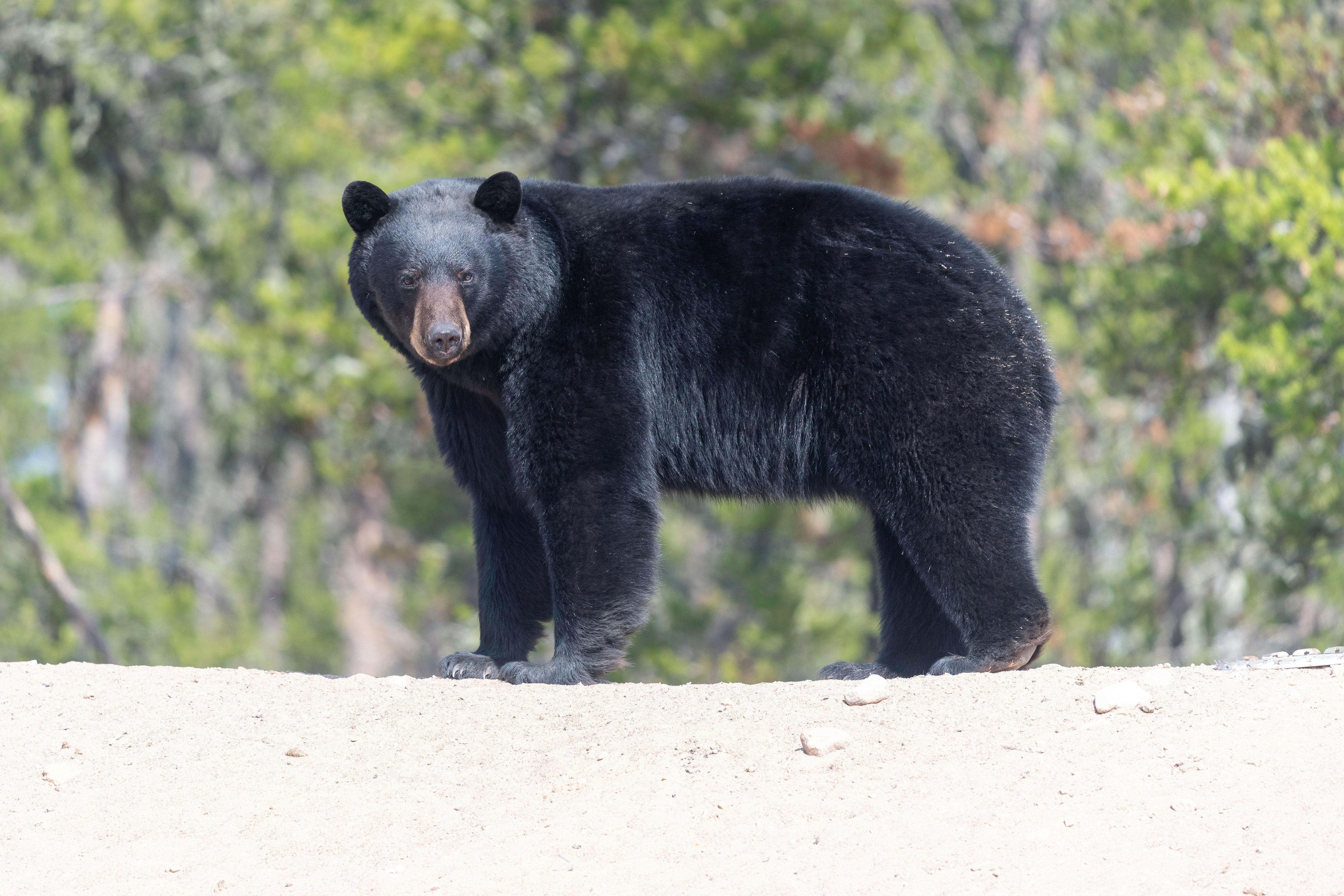
A surprising number of people don’t realize it, but Florida is home to one of the most successful conservation stories in the country. In 1970, Florida black bears numbered just 300 individuals and had been extirpated from large portions of the state due to rapid urbanization and growth. By 2000, that number had climbed to over 2,600 thanks to habitat protection and bear awareness programs for motorists. Today, more than 4,000 black bears roam the state a reflection of 50 years of dedicated conservation efforts. That recovery now allows Florida to host a limited-entry black bear hunt that is biologically sustainable and beneficial for the species.

In 2015, the Florida Wildlife Commission enacted a controlled hunt divided into multiple management zones. The hunt would end once either the statewide harvest limit or a regional quota was met. The results were telling: the statewide quota was filled in less than 48 hours, and in some regions, like the Panhandle, it was met on opening morning. Harvest data from that hunt confirmed what biologists suspected Florida had a robust, thriving bear population far greater than earlier estimates suggested.
Why then, would such a successful hunt one proving population abundance and regional overcapacity be canceled after its inaugural year? The answer lies in the moral hypocrisy and uninformed hysteria surrounding bear hunting.
Many of the loudest voices against the hunt forget that wildlife management isn’t a popularity contest it’s a science. Hunting black bears is no different than hunting deer, hogs, or any other managed species. The same biologists who count deer herds and set harvest limits determine bear quotas. The same data, modeling, and habitat studies guide every decision. The only difference is that bears have fur and a face people find “cute,” and emotion often overrides reason. A harvest of a few hundred bears out of a population exceeding four thousand isn’t devastation it’s maintenance. Hunters aren’t erasing the species; they’re ensuring it doesn’t grow beyond what the land, and the people living among them, can sustain.
Florida’s bear hunt is more than a tradition it’s a conservation tool that keeps balance in check. Without regulated harvest, populations continue to grow unchecked, forcing bears closer to neighborhoods, roadways, and trash cans. Conflicts rise, vehicle collisions increase, and state agencies end up euthanizing “nuisance” bears anyway. A controlled hunt prevents that. It puts responsibility back into the hands of sportsmen and women who fund conservation through license fees and excise taxes the very system that made the species’ recovery possible. Ending the hunt because of social media outrage isn’t compassion; it’s neglect. Conservation doesn’t mean locking animals away from reality it means managing them as a renewable resource, just as we do with deer, turkeys, and fish.
In the end, Florida’s black bear story isn’t one of decline it’s one of recovery. Decades of habitat protection, science-based management, and yes, regulated hunting brought the species back from the brink. To abandon the hunt now would be to ignore that success. True conservation doesn’t shy away from hard truths or loud opinions; it sticks to what works. Florida’s black bear population is living proof that hunting and conservation are not enemies they are partners. And if we care about the future of this species, both must continue to work side by side.




Leave a Reply