
By Javier Bermeo, Founder Wild Nexus
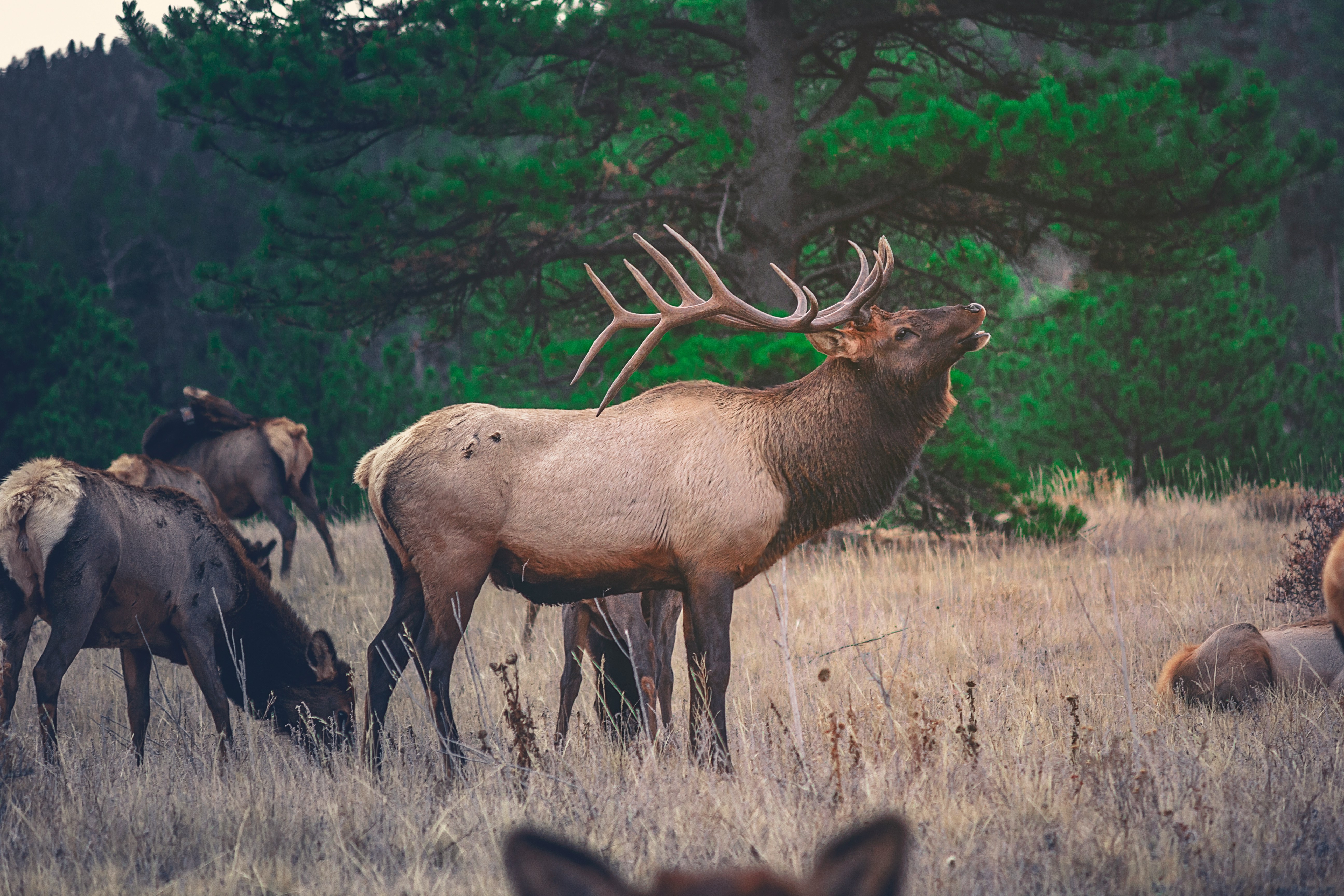
Idaho’s long tradition of over-the-counter permits for elk and mule deer is ending. A state best known for its controlled hunts and its plethora of big-game opportunities also issued 20–28k permits annually on a first-come, first-served basis for elk and mule deer. As western hunters have been noticing, though, what was once a decent second-chance opportunity soon grew in popularity and became more of a draw process than a permit you could buy at a Walmart. Over eighty thousand people tried to obtain one of these OTC permits, and with random-number generation for online users, even being in the queue did not guarantee you would get the permit you wanted—or, even worse, obtain a permit at all. Just like in other states without a true OTC system, an allocated amount of permits that are first-come and first-served eventually fall victim to the laws of any commodity in the world: supply and demand. With a fixed number of permits and three to four times the number of hunters pursuing them, what used to take weeks to sell out now, in the 2020s, takes hours. This trend has been observed in nearly all Western states with a similar system, and it begs the question: How much longer will over-the-counter permits last in the West?
For Idaho, the writing has been on the wall for a while. A system that once rewarded early risers and road warriors had turned into an annual digital lottery disguised as an OTC sale. Hunters who camped out at license vendors overnight (something that was a rare occurrence only a decade ago) or sat at home refreshing a crashing webpage quickly realized they were no longer participating in a simple “first come, first served” transaction; they were competing in a high-stakes scramble that felt more like a ticket drop for a sold-out concert. The promise of opportunity was still there, but the predictability was gone. And when predictability leaves, pressure builds. Idaho managers knew it, hunters knew it, and anyone paying attention to tag-sale chaos knew it was only a matter of time before the state had to choose between maintaining the illusion of OTC access or moving to a system that at least gave everyone a defined shot.
When you zoom out, Idaho’s move fits neatly into the broader pattern sweeping through the West. As big-game herds fluctuate, hunter numbers rise, and nonresidents increasingly anchor their season plans around a handful of states, those “extra” opportunities become the first to get squeezed. OTC seasons were once the safety valve—the fallback for the hunter who didn’t draw elsewhere. Now they’re the main target for tens of thousands of people looking for any tag they can get. The result? Crowded units, disproportionate pressure on general-season herds, and a system buckling under demand it was never designed to handle. So, while it’s easy to blame Idaho for shutting a door, the truth is the door had been cracking for years. All the state did was finally close it before it blew off the hinges.
Despite the more practical reasons for removing these permits, it cannot be overstated how important hunter opportunity is in our North American game management system. Despite the incessant attempts from states to either drastically raise nonresident permit costs or close opportunities altogether, Americans do have a right to hunt in any state they choose. While crowding is a legitimate concern on public lands here in the West, it is worth noting—and reminding hunters—that in most western states, 90% of the orange vests you see on public lands are residents. While every state has an obligation to put residents first, and resident privilege should always be a priority, it is a disingenuous argument to blame the small number of OTC nonresident permits exclusively for crowding. If nonresident opportunity is totally taken away, state managers and resident hunters would soon realize that the issue with crowding is far more complicated and less about the darn out-of-state hunters than it is about the aggregate hunting population as a whole (let alone the fact that in most states NRs account for 65%+ of hunting revenues despite hovering around 10-20% of hunters in the state). In a state with an uncapped number of resident OTC permits, your odds of bumping into a nonresident hunter are 10-to-1, if not 15-to-1, in most areas. For elk permits alone, it is estimated that around 130k resident permits are sold annually. For perspective, nonresidents hunting elk over the counter in Idaho account for only about 12k permits.
There is a way forward that both values and raises the privilege of resident hunting quality while also providing opportunities for nonresidents to enjoy new states. Instead of pitting outdoorsmen against each other, states should be prioritizing efforts that are proven to increase hunting quality and raise populations of big-game species. Predator management, for one, should be a focal point for all western states by the end of this decade due to the unprecedented number of wolves, grizzly bears, and mountain lions that we’ve inherited here in the 21st century on our public lands. Partnerships and incentives for private landowners should be maintained and expanded to increase access and walk-in hunting opportunities. More land available to hunters directly reduces crowding and pressure and should be a priority for all outdoorspeople. In arid states—or states suffering from drought, which includes nearly every western state efforts should be maintained and increased to provide water tanks and water resources across the landscape. There are dozens of efforts that game agencies and state governments could take that would not interfere with tag allocations and could provide more sustainable long-term solutions to the challenges facing the West. But these efforts take time, and in their current scale, many are simply too small to offset the pressure.
I know I am not alone in thinking that our grandchildren and their lineage should inherit better opportunities in the world than we did. When it comes to hunting, I hope future generations can talk about how abundant elk populations have become, how easy it is to get permits for mule deer and antelope, and how widespread moose, sheep, and other big-game ungulates have become across this country. Short-term solutions that pit our traditions against one another are an unsustainable and frankly lazy way to address the novel problems of the future. Here at Wild Nexus, we aim to be at the forefront of leaving North America a whole lot better than we found it.

Leave a Reply