By Javier Bermeo, Founder of Wild Nexus
As outdoorsmen and women, we are fortunate to belong to one of the most authentic communities in this country. The camaraderie, trust, and shared responsibility found among hunters, anglers, and conservationists set us apart from much of modern society and define a way of life worth protecting. These values are built through time spent afield, passed down through families, and reinforced by an understanding that conservation is not abstract; it is lived and practiced. Yet it is easy to overlook the growing efforts aimed at eroding that heritage, especially as daily life becomes more disconnected from the natural world.
Across the political spectrum, lawmakers and private interest groups continue to push policies that threaten firearm rights, sell public lands to foreign corporations, underfund wildlife agencies, and restrict or eliminate hunting and angling altogether. These pressures often arrive under the banners of economic development, modernization, or public safety. While such efforts are not new, the challenges facing our community in 2026 are uniquely coordinated, aggressive, and consequential. The cumulative effect is a steady weakening of the systems that have allowed conservation, access, and outdoor traditions to coexist for generations.
Below are three major issues every outdoorsperson should be paying attention to and speaking out against. The outdoor way of life helped shape this country, supported rural communities, and funded conservation through user based models. It is not something we should compromise for an increasingly desensitized modern world that benefits from natural resources while remaining detached from their stewardship.
Boundary Waters Protection Repealed
Earlier this year, the U.S. House of Representatives passed a resolution that would dissolve the 20 year mining ban protecting Minnesota’s Boundary Waters Canoe Area Wilderness. At the time of publication, H.J. Res. 140 awaits deliberation in the Senate. As demand grows for advanced electronics, AI infrastructure, and surveillance technology, industrial scale mining companies are pressuring lawmakers to roll back protections on public lands, often transferring access to foreign controlled entities in the process.
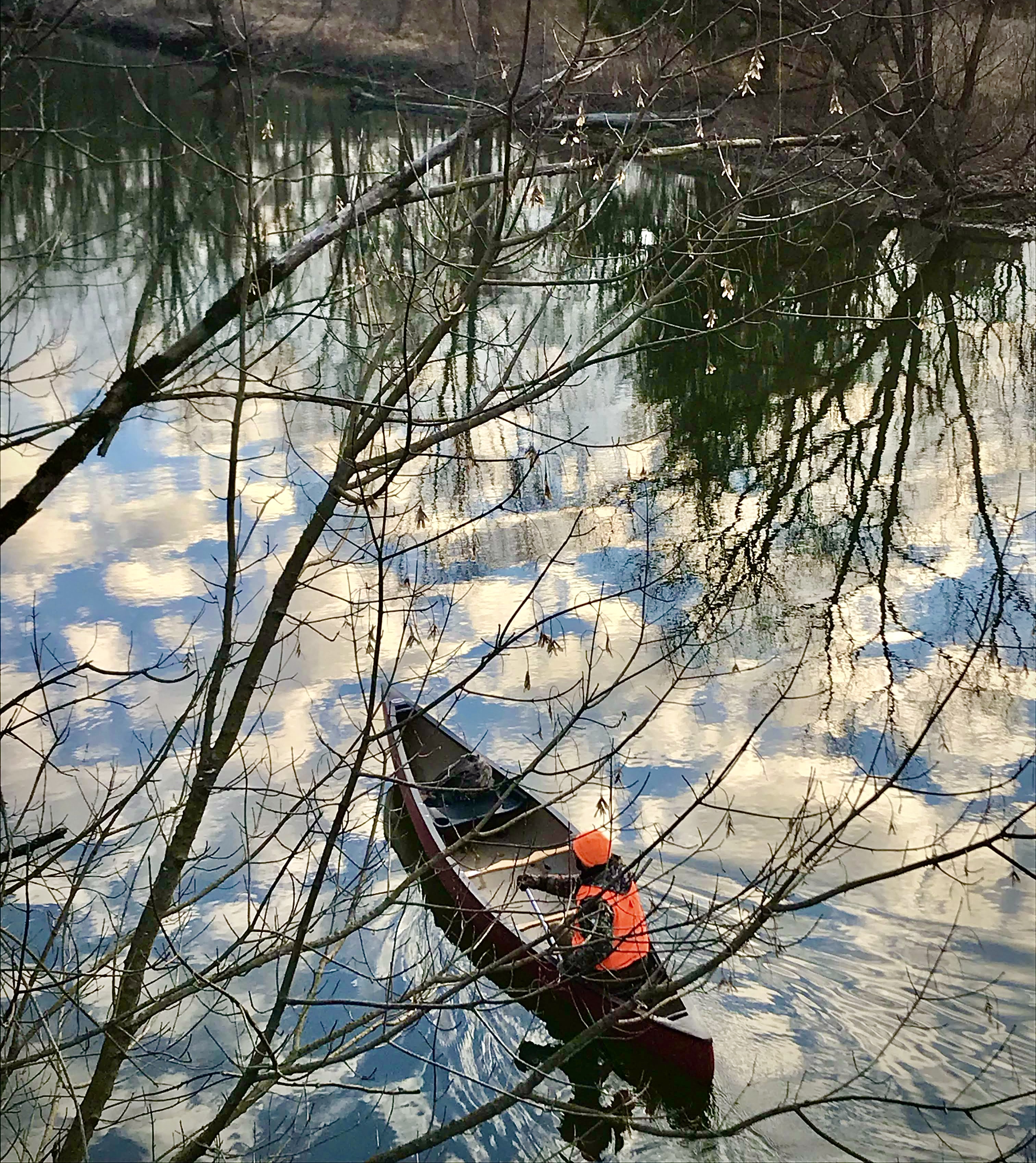
One such company is Twin Metals Minnesota, a subsidiary of the Chilean mining conglomerate Antofagasta. Despite its domestic sounding name, the company’s profits would largely flow overseas. Both entities carry poor environmental track records, with documented ecological damage and limited benefit to local communities. The Boundary Waters, by contrast, span more than one million acres and represent one of the most visited and pristine wilderness areas in the United States. Its interconnected waterways, clean water, and largely untouched landscape make it an irreplaceable national treasure.
The concern is not simply environmental degradation, but precedent. When protections for a globally recognized wilderness area can be removed to satisfy short term industrial demand, no public land is truly secure. Outdoorspeople should remain skeptical of so called economic development that prioritizes foreign profit over permanent damage to public land, and they should speak out by contacting their elected officials and opposing this misuse of shared resources. Conservation loses its meaning when protection becomes temporary and conditional.
Petition 28: Oregon
In Oregon, multiple animal rights organizations have introduced one of the most far reaching animal “welfare” petitions in recent history. If passed, Petition 28 would remove long standing exemptions for hunting, fishing, and trapping from the state’s animal cruelty statutes, laws that carry misdemeanor and felony penalties.
The consequences would be immediate and severe. Hunting and angling would effectively become criminal acts overnight, with ranchers and farmers facing similar restrictions that would make lawful operation nearly impossible. Supporters describe the proposal as a move toward a statewide “no-kill” policy for animals. What is often ignored in this framing is the reality of wildlife management. Regulated harvest is not cruelty; it is a necessary tool used by biologists to maintain healthy populations, reduce disease, and prevent habitat collapse.
The most concerning fact is that more than 120,000 signatures have already been collected, making the petition’s appearance on the ballot this November likely. This level of support highlights a growing disconnect between modern consumers and the realities of food systems and land management. As fewer people understand where food comes from or what ethical harvest entails, emotionally driven policy gains traction. Outdoorspeople nationwide should be alert to similar efforts in their own states and respond by engaging lawmakers, supporting conservation organizations, and educating others about responsible wildlife management grounded in science rather than ideology.
2026 Florida Farm Bill
In Florida, House Bill 433 and Senate Bill 290 raise serious concerns for anyone who hunts, fishes, or values transparent conservation practices. Both bills include an agricultural non-disparagement provision that would allow powerful interests to sue individuals for publicly criticizing farming practices. These measures are part of the 2026 Florida Farm Bill, with SB 290 scheduled for consideration by the Senate Rules Committee on February 11, 2026, and HB 433 advancing toward a full House vote.
Embedded in this language is a direct threat to free speech. Citizens could face costly litigation for raising legitimate, fact based concerns about water quality, pesticide use, or land management practices that affect wildlife habitat. Conservation has always depended on public oversight and open dialogue. When criticism is silenced through legal intimidation, accountability disappears.
Wild Nexus does not support legislation that suppresses public accountability under the guise of protecting agriculture. If these provisions pass without resistance, they will not safeguard farmers or food systems; they will suppress honest dialogue and discourage citizen involvement. Florida’s wild places are already under immense pressure from development and pollution, and discouraging public advocacy represents a dangerous overreach and a clear disregard for constitutional principles. Outdoorspeople should stay informed and vocal as these bills progress.
For those paying attention, it can be difficult not to feel discouraged by a modern landscape that increasingly devalues tradition, stewardship, and personal responsibility. However, concern is often the first step toward action. The outdoor community has always been composed of people who understand that rights are paired with responsibility and that conservation requires participation.
If these issues resonate with you, you are not alone. Our community is made up of individuals willing to speak, act, and defend the systems that protect our lands and waters. Preserving our way of life for future generations will require vigilance, education, and unity. Standing up for these values is not only necessary; it is our right.


Leave a Reply