

By: Cody Fongemie, Contributor at Wild Nexus
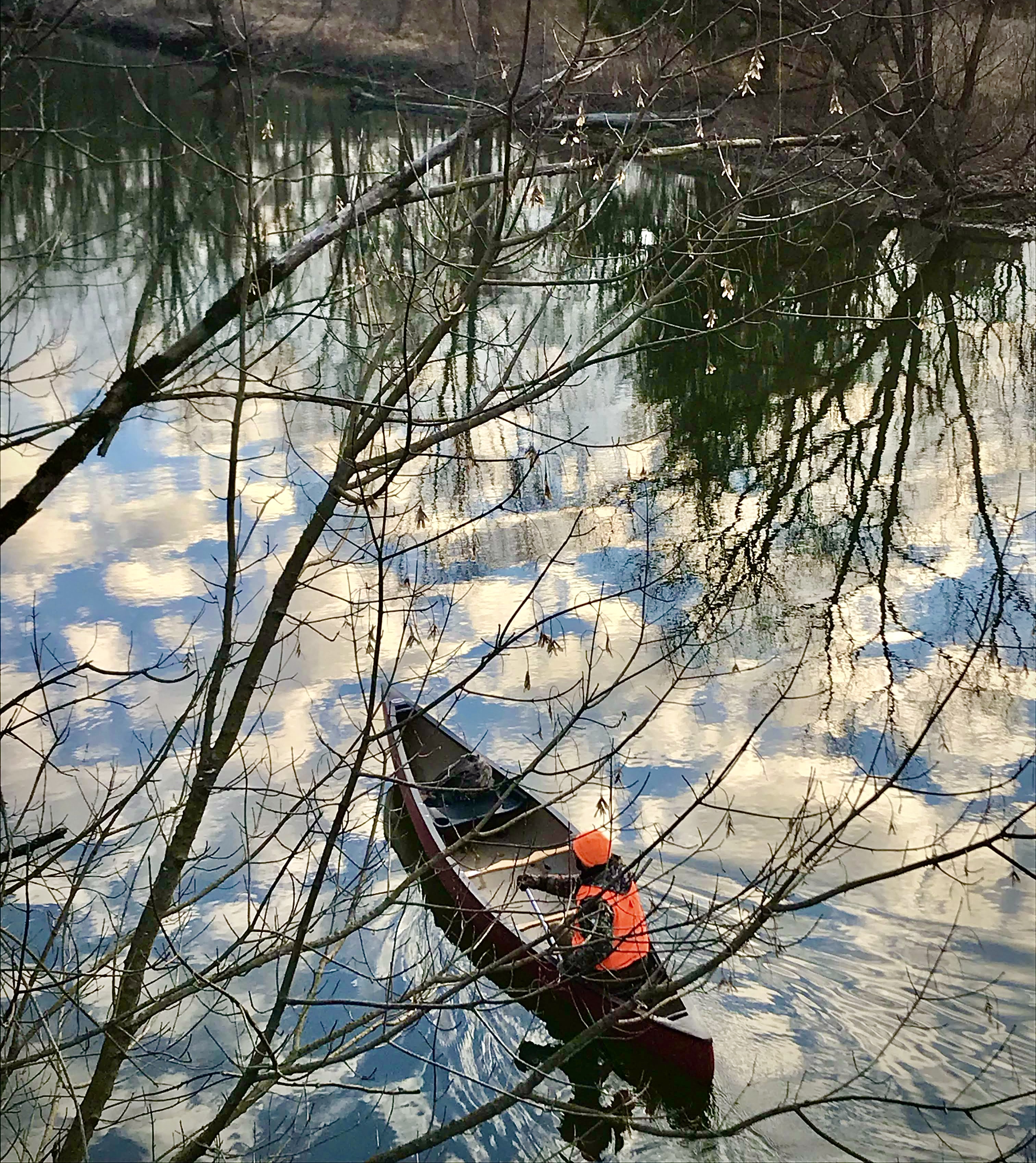
I remember when I first thought about going duck hunting. A friend told me, “Hey, go to Cabelas, get a set of waders, I already have a shotgun, and meet me at this spot.” We kayaked out into the weeds of a pond and hunted for a few hours. I was hooked instantly. Nothing beats when a flock is coming in, and their wings are cupping as they’re about to land in your spread, and you open up. It’s something special, like many of the things that a lot of us try to experience in the outdoors.
The Intimidation of Waterfowl Hunting
But still, at that point, I was really intimidated by waterfowl hunting. It’s hard not to be when you go on TikTok or Instagram, and you just see these reels of people in these super high end duck boats or folks in these massive built in field setups that seem like they’re trenches from World War I. It’s massively overwhelming, and that turns a lot of people away from getting out there and experiencing a style of hunting that, in the opinion of someone who’s hunted everything from whitetails and pheasants to pronghorn, waterfowl might just be the most fun one.
You Don’t Need Fancy Gear
But here’s the thing: you don’t need the 80,000 dollar duck boat, or you don’t have to travel to the flooded timber of the Deep South. You can tackle waterfowl hunting all by yourself and with very little gear just to get started.
Essential Gear to Start
So what do you actually need? First off, you’re going to need a shotgun. A 12 gauge is probably the best all around gauge for waterfowl hunting, and you can get some very affordable shotguns, fresh out of the box or used, that will do the job just fine.

After that, you’re going to need to get some camo, and I really recommend that you get camo or dark solid colors that really match the environment where you’re hunting. So, for example, I hunt in a lot of ponds in the November December time frame, when the pond shores are often brown from all the leaves off the trees, so I wear a mix of brown and tan camouflage. But if you’re hunting down south and you don’t have all the trees without leaves, you might need to go with a different camouflage pattern or color scheme that best suits your environment. This is really important because waterfowl can see color, and if you don’t have the right stuff on, the ducks won’t even come near you.
Budget Friendly Sources
Now, when it comes to finding waders and a kayak or a canoe and decoys, there’s one really great place where I got a lot of my gear starting off, and that’s Facebook Marketplace. People are constantly throwing decoys up there and other things, and even really cheap kayaks even if they’re not the right color, you can spray paint them to make them better for hunting. Doing this will really help you get into the sport without breaking the bank. If you can’t find anything you actually need on Facebook Marketplace, there are tons of easily affordable options at the big box stores and even online to help you get started. No need to go out and spend a few thousand dollars on gear, you can get everything you need for probably a few hundred bucks and be set up for a really good season.
Navigating Regulations and Locations
Then, when it comes to finding locations, I know a lot of people get intimidated because they don’t know where to go, and sometimes regulations can be confusing about when you can and can not hunt. Your state game service website is going to have a really good page that breaks down when the proper seasons are, and often will have a list of areas where you can waterfowl hunt. If you’re still confused, you can always call the state office because there will be a game warden who’s more than happy to talk to you about the regulations, so you know what you’re doing.
Scouting with Apps and Binoculars
When it comes to finding spots, that’s where apps like onX and others come in handy. You can put a filter on in that map, and it will help you locate public water where you can often hunt. And some spots may be great; some you just don’t know until you get there. So you can drive by a day or two before, take your pair of binoculars, and look into the body of water, and that works just fine. But there’s absolutely nothing wrong with getting out there and not really seeing anything, because you might see them in a different area, and that can help you adjust your game plan for later.
Setting Up and Calling
Once you find these spots, it’s time for you to head on out. There are plenty of good resources online, and I’m sure we’re going to talk about them quite a bit on Wild Nexus, on what type of spreads you should set up and how to position yourself to get your best chance of bringing some ducks. Duck calls can be helpful for the few times that you go out. To be honest, I don’t even bring my calls to certain little ponds I hunt in because the right decoy spread can get the ducks right into shotgun range, and that’s all I need to do. No calling is better than bad calling, and once you get the grasp of your basic waterfowl skills, you can get into learning how to call.
Take the Leap
Just because something seems overwhelming isn’t a reason to try. There are plenty of ways that you can get into waterfowl hunting without breaking the bank, and doing it yourself to get out there and enjoy it. And like anything, when it comes to hunting or fishing, you’re always going to be learning new things. But don’t let that fear be the reason you don’t take the leap and try it out.


Leave a Reply