


By Cole Sousa, Contributor at Wild Nexus
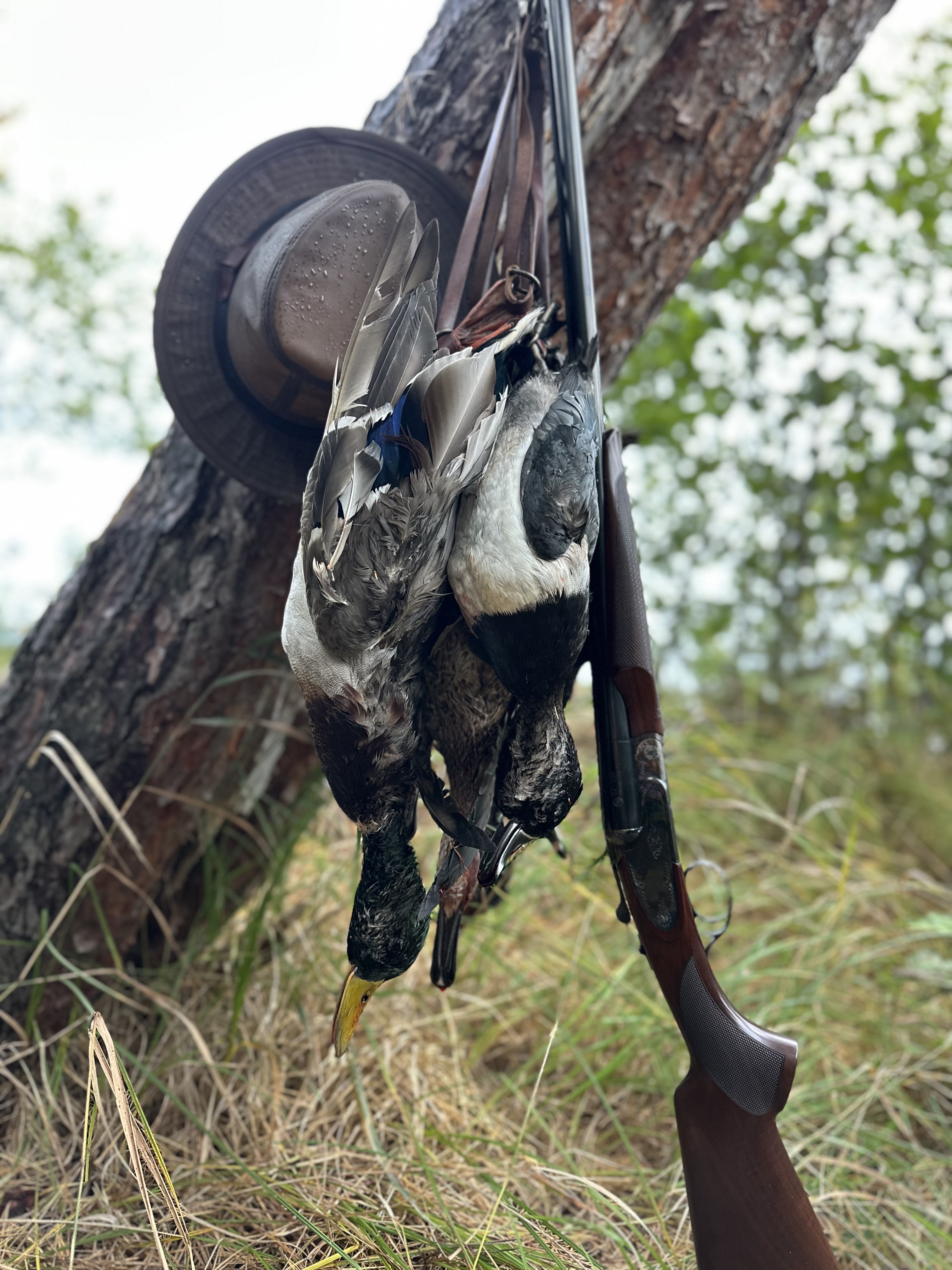
When I think of waterfowling, I picture Mackinaw wool or waxed canvas jackets, old side-by-side shotguns, creaky wooden duck calls, and weathered decoys peppered with a few holes from the days when lead was used. Many of the old-school waterfowlers and outdoor writers, Gordon MacQuarrie, Nash Buckingham, Aldo Leopold, and Gene Hill (to name a few), were familiar with these trinkets, relying on them greatly to find success while in the frigid duck blinds of autumn. These men understood the value and sentiment of putting old gear to use. MacQuarrie often referred to the president’s “Old Brown Mackinaw” and his “old corn sheller” with which he collected his ducks and grouse. Gene Hill wrote, “When you get down to thinking why you like the old faithful odds and ends so much, you begin to realize how much you’ve come to resist getting things that feel brand new. I hate to break in a new pipe, haircut, hunting coat, fishing vest, wool shirt, brush pants, or leather belt.” (Now, to digress for a moment, as you might have realized, he didn’t mention new shotguns.)
Times have changed; however, instead of wool, most hunters opt for one of the many new-fangled synthetic materials offered by many companies. Wooden duck calls have been replaced by acrylic and molded plastic. Hand-carved decoys have long been overlooked by hunters, as well, with the introduction of lightweight, plastic options featuring hyper-realistic paint schemes that appeal to hunters’ eyes even more than the ducks themselves. In a world of upgrades, enhancements, and gadgets, is traditional gear still a viable choice for hunters in the marsh? I believe so.
Don’t get me wrong, I enjoy the comfort of my breathable waders just as much as the next guy, and my waterproof shell keeps me dry when I would be soaked to the bone in nothing but my wool coat. But these modern commodities are not necessary for success in the marsh. Historically, many hunters had great success with nothing but their father’s double-barrel and a hand-me-down hunting coat from a long-lost Uncle Tom.
The Decoys
A hunter would be hard-pressed to find any piece of gear more ingrained in waterfowling tradition than cork or wood blocks. While many of the old, hoary birds that circulate the online markets and antique stores can be rather crude, these birds carry lots of history under several layers of paint and stray pellets stuck beneath their wooden feathers. Many seasoned hunters who are fortunate enough to possess these pieces of a bygone age prefer to keep them as decorations or conversation pieces, retiring them to an easy life on a dusty shelf in an office somewhere near the expensive bourbon. And, rightfully so. However, in a time of mass production and damn near everything being made from plastic, there still are those who fashion and sell wooden and cork decoys for gunning purposes. When taken proper care of, these handmade cheats can last a lifetime, and the unique styles chosen by their carvers can add a level of realism that mass-produced molded decoys cannot. And while this may be up for debate, some hunters swear that handmade ducks ride better in the water as well.
Outerwear
For years, waterfowlers all across the country could be found in snowy duck blinds clad in wool, sheepskin, waxed canvas, and other natural materials in order to combat the elements. Not only would these garments have been worn for duck hunting, but they were also useful for a myriad of other applications. In more modern times, the availability of fabrics and hunting garments has evolved and diversified. With the introduction of breathable fabrics, Gore-Tex, and effective waterproofing that doesn’t involve beeswax. New camouflages hit the market, perfectly replicating the environment that ducks and geese frequent, such as cattail marshes, flooded timber, and agricultural fields. These new-fangled layers are effective, but tend to be rather expensive without lasting nearly as long as the materials they replaced. I have had great success while wearing a simple dark-green Mackinaw wool coat with little to no camouflage on me at all. The truth is, in most cases, the camouflage you wear doesn’t play as much of a role as you might think. The real secret lies in the cover that surrounds you and breaks up your silhouette. Most of the time, hunters are buried up to their chins in grasses, cattails, shrubs, and other natural cover, relying more on their blinds to conceal them than their clothing. Wearing these new camouflages is certainly better than donning brightly colored clothes; generally, a dark green or brown jacket is sufficient to do the trick.
This may bring into question the comfort and temperature regulation capabilities of the common 3-1 style that most jacket systems sport in comparison to the “old-fashioned version.” I have owned a handful of these so-called game-changing coats myself, several of them coming from prominent duck hunting brands. I will not argue against their effectiveness; however, these garments all cost several hundred dollars, and all of them struggled to last for more than a year of rigorous hunting. Since the zipper on the last of my expensive coats broke while hunting a river in single-digit temperatures, I vowed never to succumb to the attraction again, and since then, a plain wool coat has served me well.
The Watercraft
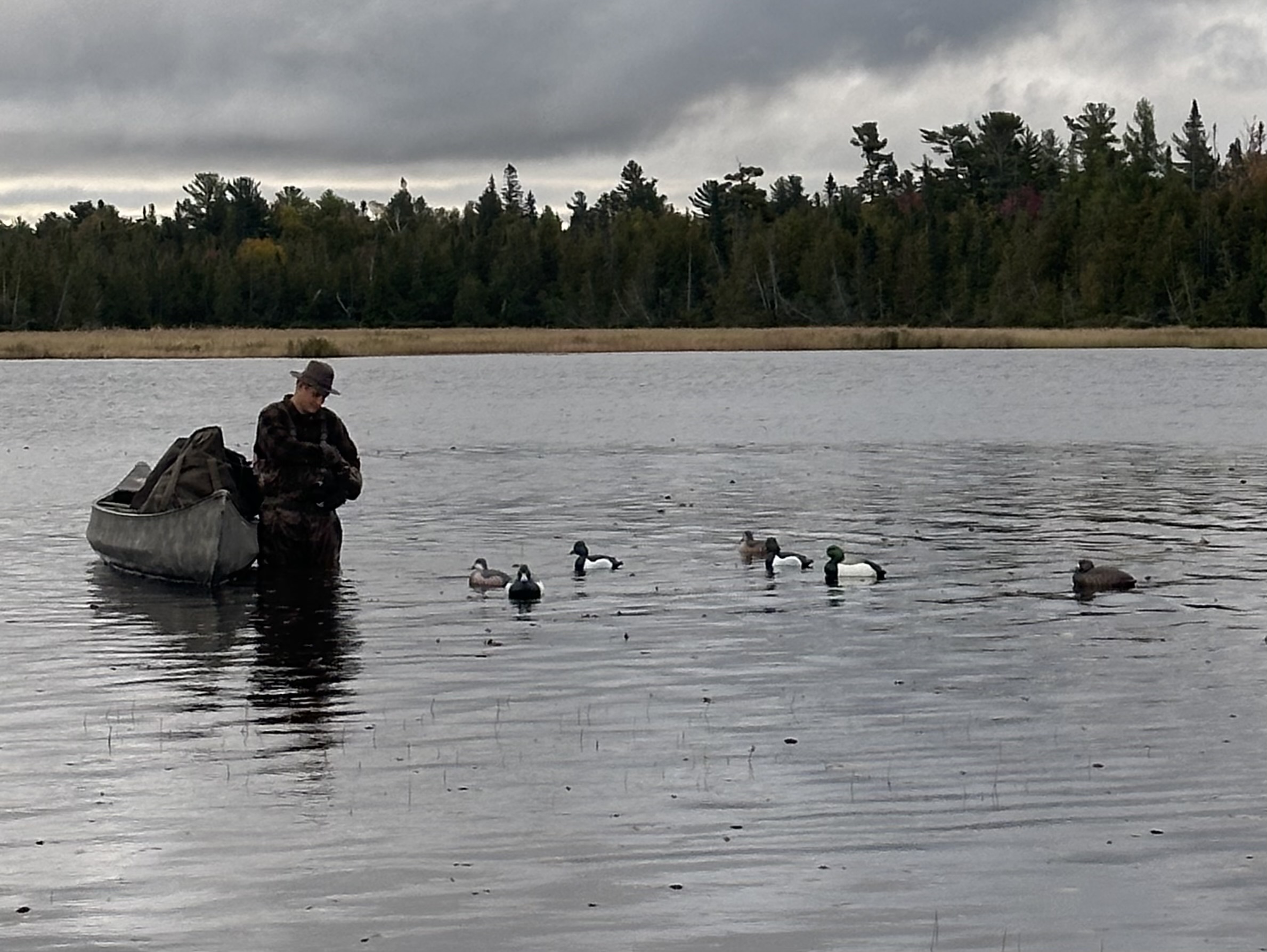
Long before the War Eagle, Gator-Tail, and Prodigy boats. Long before long-tailed mud motors that can get just about anywhere with a quarter-inch of water (or mud), the legions of wool-clad duck-crazy hunters relied on much simpler craft and no small amount of brawn to carry out their rites in the marsh. Skiffs, canoes, and other old wooden tubs frequented the churning waters of ducking holes across North American waters. These craft faithfully performed their duties without sputtering motors and frustration on cold mornings. I have been fortunate enough throughout my hunting experiences to have the opportunity to hunt out of several types of watercraft. While the new-fangled ducking boats are convenient and comfortable, they are not always practical. A smaller, lightweight watercraft can be used to great effect in secluded areas where ducks hide from the masses of hunters who prefer to stick to areas where they can launch their boats. Hidden potholes, shallow backwater sloughs, and remote bogs are all great places to realize the efficiency of smaller, lighter watercraft. Some of my best shooting and most memorable hunts have taken place far off the beaten path with nothing but a small 16ft old town canoe and a handful of decoys. Most canoes can be rather inexpensive as well, a good choice for someone who may be looking to enter the sport without breaking the bank. A cheap aluminum canoe and several spray cans of camouflage paint are all that are needed to get out on the water and hunt for ducks successfully.