
By Jon Hutcheson, Contributor at Wild Nexus.
As late summer starts to end, anticipation for the upcoming archery deer season peaks. Hunters who have waited for months to return to the woods begin to watch velvet bucks on trail cameras, check gear, and hang tree stands in preparation for opening day in September. Opening day of archery season marks the official, highly anticipated start to the fall hunting cycle. Deer follow predictable summer patterns, living in relaxed bachelor groups. These deer have not faced pressure for months. This is where trail cameras and food plots work together as a powerful system for wildlife management and hunter success in filling the freezer.
Trail cameras offer a glimpse of mature bucks that tease hunters remotely. They monitor the herd without human disturbance. Placing cameras around food sources gives hunters an idea of their travel patterns, whereas food plots attract and concentrate deer in a predictable area. This combination lets hunters inventory local bucks, pattern feeding times, and track habitat health.
TRAIL CAMERA PREPARATION

Trail cameras are a way to prepare for the upcoming season. Before putting them in the woods, check batteries, memory cards, and date and time settings. A camera that has the wrong date or a dead battery can turn weeks of information into a blank memory card.
Mount cameras where they can capture useful information without creating unnecessary disturbance. Trails, field edges, mineral or feeding areas, and other natural travel locations can all provide opportunities to see where deer are moving. Aim the camera carefully so the sun does not dominate the frame. Clear any vegetation necessary to create a useful field of view. You don’t want pictures wasted on wind-blown grass or leaves. Make sure the camera is secure enough to withstand wind and weather.
After mounting a camera, walk through the scene from the direction you expect deer to approach. Look at the camera’s field of view from a deer’s perspective. You may discover that a branch blocks the most important part of the trail or that the camera is aimed too high. A few extra minutes of adjustment can dramatically improve the quality of the pictures you collect. Below is a list of advantages to keep in mind if you are debating whether to use trail cameras:
Scouting and Inventory
- Inventory: Placed on plot edges, cameras capture which bucks and does use the food source.
- Timing: Timestamps reveal the exact hours wildlife visit the plots.
- Growth: Cameras also monitor how well your forage crops grow over time.
Low-Impact Monitoring
- Scent control: Cellular cameras let you view images remotely, avoiding physical checks that leave human scent.
- Field access: Placing units along field corners keeps you from walking through and spooking feeding animals.
TO FEED OR NOT TO FEED

Using gravity or electronic feeders is a good resource if you do not have a food source for the deer on your property. They are a good way to keep deer coming to your property and staying around. Check the feeder for damage. Raccoons and squirrels are smart and can find the weak points and chew through them. If it has a timer or control system, make sure it is functioning. A feeder that quits working in the middle of the season can leave you with a lot of wasted time and very little information.
Check the amount of feed being used periodically. Changes in consumption can provide useful clues about wildlife activity. It’s a good idea to take some feed and spread it around away from the feeder. Spread some around the trails coming into that area. A new structure might make them feel wary for a while. Remember that weather, natural food sources, and other wildlife can all affect what disappears from a feeder. The objective is to create a reliable observation point, not to assume every visit to a feeder tells the whole story.

Check your state’s laws on using feeders or other supplemental food plots. In Kansas, it is legal to use feeders on private property. Some states require removal two weeks before the season.
GET THE STAND READY PRIOR TO OPENING DAY
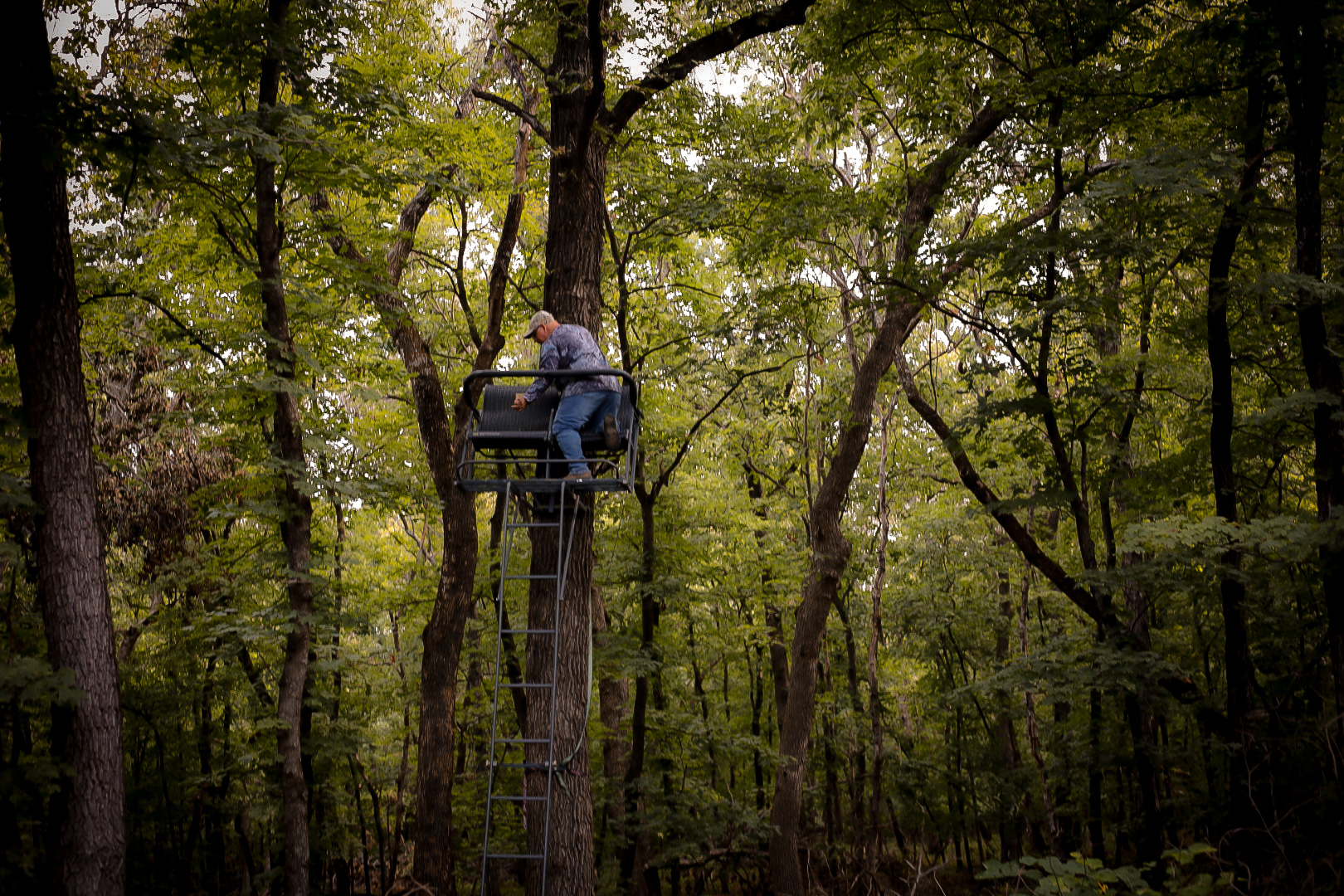
Preseason is also an ideal time to inspect stands and access routes. Check ladders, platforms, straps, seats, and other equipment for damage or wear, and repair or replace anything questionable before hunting season. Do not wait until opening morning to discover a loose strap or broken ladder.
Look at the woods around the stand as well. Identify shooting lanes and possible entry and exit routes. If a small amount of trimming is necessary, do it well before the season so the woods have time to settle back down. The less work you have to do on opening morning, the better.
USE THE INFORMATION, DON’T CHASE IT
One of the biggest mistakes you can make is checking cameras too often. Every trip into the woods creates a disturbance. If a camera is working, give it time to collect information. That is the great thing about trail cameras these days. With cell camera technology, like the Tactacam Reveal X 3.0, and other brands using it, you don’t have to make all those trips into the woods. You can check your photos on your phone. Most manufacturers have their own apps to download. The camera will automatically upload the photos to the app for your viewing. If it’s an older camera, you will have to go switch out the memory card and view the pictures on a computer.
The same principle applies to the feeder. Preseason is the time to establish patterns, not to turn the property into a daily construction zone. Pay attention to when deer are feeding, which direction they are coming from, and how patterns change as summer transitions toward fall. Photos are pieces of a larger puzzle.
THE FINAL PRE-SEASON CHECK
As opening day approaches, bring everything together. Check feeders and cameras one more time. Replace batteries or cards as needed and review the information you have collected. Make sure your hunting license, tags, and other required equipment are in order and that you understand the current regulations for your hunting area. Check your state’s regulations concerning bait, feeding, and trail cameras.
Most importantly, remember that preparation is supposed to build confidence, not create pressure. The goal is to walk into opening morning knowing your equipment has been tested, your property has been studied, and your plan is based on information rather than assumptions.
Preparing for deer season brings me excitement and eagerness to get into the woods. Sitting in a stand or blind and listening to Mother Nature talk, there is a quiet focus that comes over you as you listen for leaves to crunch or movement to catch your eye. As late-summer air starts to hint at fall, checking gear, sighting in a bow or rifle, and hanging stands turn the waiting into a slow-burn ritual of pure anticipation for the first sit.
The season may start in the woods, but successful deer hunting often starts weeks earlier, with preparation.


Leave a Reply